
Your home’s siding does more than shape its curb appeal, it’s the first line of defense against moisture, wind, pests, and every temperature swing Virginia weather throws at it. When siding starts to fail, the damage often isn’t visible until it’s already affecting what’s underneath. Deciding when to invest in Siding Installation & Replacement is a decision that affects your home’s protection, its energy efficiency, and its long-term value, whether you’re maintaining a starter home or a property you’ve owned for decades. This guide walks through the warning signs to watch for, what to consider before choosing a replacement material, and how to evaluate a provider you can trust with the job.
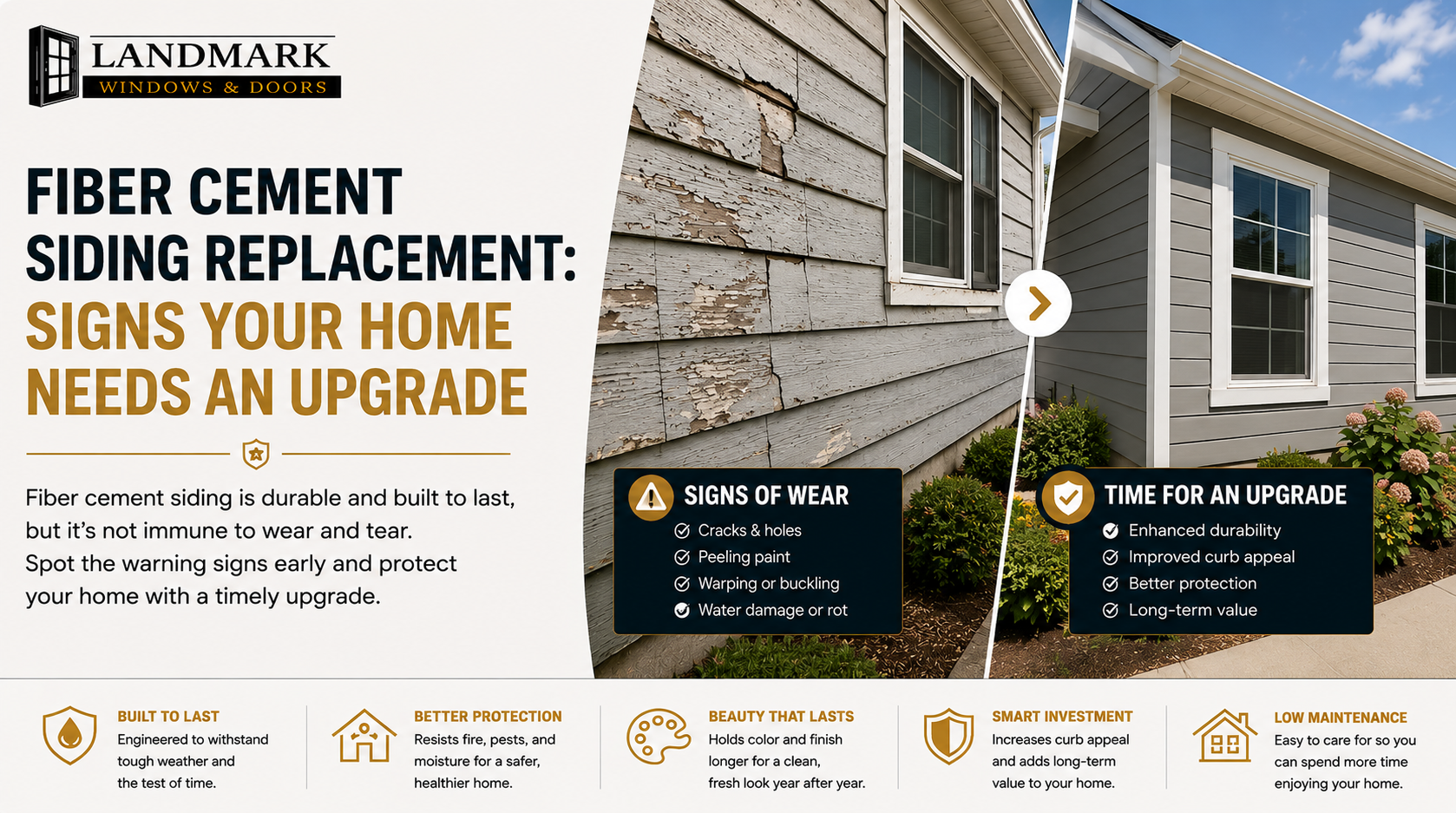
Understanding the Signs Your Siding Needs Attention
Before deciding whether to repair or fully replace your siding, it helps to know what you’re actually looking at. Not every mark or imperfection means a full replacement is necessary but certain signs point clearly toward it.
- Cracking, warping, or bowing – Panels that no longer sit flat against the wall often signal moisture damage underneath.
- Fading or peeling paint that won’t hold – If repainting doesn’t last more than a season or two, the material itself may be failing.
- Soft or spongy spots – This usually indicates rot or moisture trapped behind the siding.
- Visible pest activity – Termites and other pests are drawn to wood siding that’s begun to soften or rot.
- Rising energy bills – Gaps or damage in siding can let conditioned air escape, driving up heating and cooling costs.
- Frequent maintenance needs – If you’re painting, sealing, or patching more than once every few years, the material may no longer be worth maintaining.
Evaluating Your Siding Replacement Options
Once you’ve confirmed replacement is the right move, the next step is choosing a material that solves the problems you’re currently dealing with.
Fiber Cement Siding. Made from a blend of portland cement, sand, and cellulose fibers, fiber cement siding resists cracking, warping, and denting far better than vinyl or wood, while also standing up to fire, moisture, and pests.
Vinyl Siding. A budget-friendly option that’s low maintenance, though it’s more prone to cracking in extreme cold and can fade more noticeably over time compared to
factory-finished alternatives.
Wood Siding. Offers a classic, natural appearance but requires the most ongoing maintenance and is the most vulnerable to rot, moisture, and pest damage without diligent upkeep.
For homeowners dealing with recurring rot, pest issues, or fading paint, fiber cement siding is generally the strongest long-term match, since it directly addresses the durability and maintenance problems that typically drive a replacement decision in the first place.
Choosing the Right Siding Replacement Contractor
Once you’ve confirmed your home needs new siding, the contractor you choose matters just as much as the material itself. A qualified installer should start by diagnosing the actual cause of the damage, moisture intrusion, poor original installation, or material failure rather than jumping straight to a quote.
Look for a few key traits when vetting a provider: hands-on experience with fiber cement and other durable siding materials, a clear explanation of how they’ll handle moisture barriers and flashing to prevent future damage, and a willingness to walk you through their process step by step rather than rushing to close the sale. Ask to see examples of past projects on homes similar to yours, and confirm what’s covered under warranty for both materials and labor.
Importance of Professional Installation and Support
Even premium siding material underperforms if it’s installed poorly. Gaps around seams, improperly placed moisture barriers, or rushed flashing work can lead to the same rot and water damage issues you’re trying to fix in the first place.
A provider worth hiring will offer clear communication throughout the project a defined timeline, a single point of contact for questions, and a team willing to explain what’s being done and why at each stage. Reliable follow-up support after the job is finished, not just a sales pitch beforehand, is often the clearest indicator of a company that stands behind its work long after installation day.
Cost Considerations
It’s tempting to select a contractor based purely on the lowest bid, but the cheapest option often comes with risks that surface later poor material quality, rushed installation.
Transparent pricing should clearly outline the cost of materials, labor, disposal of old siding, and warranty coverage. Rather than comparing bids on price alone, think in terms of overall value: a slightly higher upfront investment in quality materials and skilled installation typically pays off through fewer repairs and a longer-lasting result.
Quick Checklist for Choosing a Siding Replacement Provider
- Material expertise – Confirm experience specifically with fiber cement and other durable siding options.
- Installation process – Ask about moisture barrier and flashing practices to prevent future issues.
- Warranty terms – Understand what’s covered for materials versus labor.
- Communication style – Choose a team that explains their process clearly at every stage.
- Track record – Ask for references or examples from similar local projects.
- Transparent pricing – Confirm the quote breaks down all costs, not just a bottom-line number.
Conclusion
Recognizing the early warning signs of failing siding – cracking, moisture damage, rising energy bills, or constant upkeep – puts you in a much stronger position to make a proactive decision rather than a reactive one. Taking the time to evaluate material options and vet a provider properly protects both your home and your budget over the long run.
If your home is showing any of these warning signs, upgrading to fiber cement siding now can save you from far costlier repairs down the road.Whether you’re addressing a few problem areas, working with a team that prioritizes proper diagnosis, quality materials, and clear communication is what turns a one-time project into a lasting improvement for your home. Landmark Windows & Doors has built its reputation in Fredericksburg.