A roof on an older home has usually seen more than the roof on a newer one: more seasons, more repairs and sometimes more than one layer of shingles. That history is why replacing it deserves a closer look before any work starts, and why the quality of the inspection matters as much as the shingles you choose.
Why Older Homes Need a Closer Look
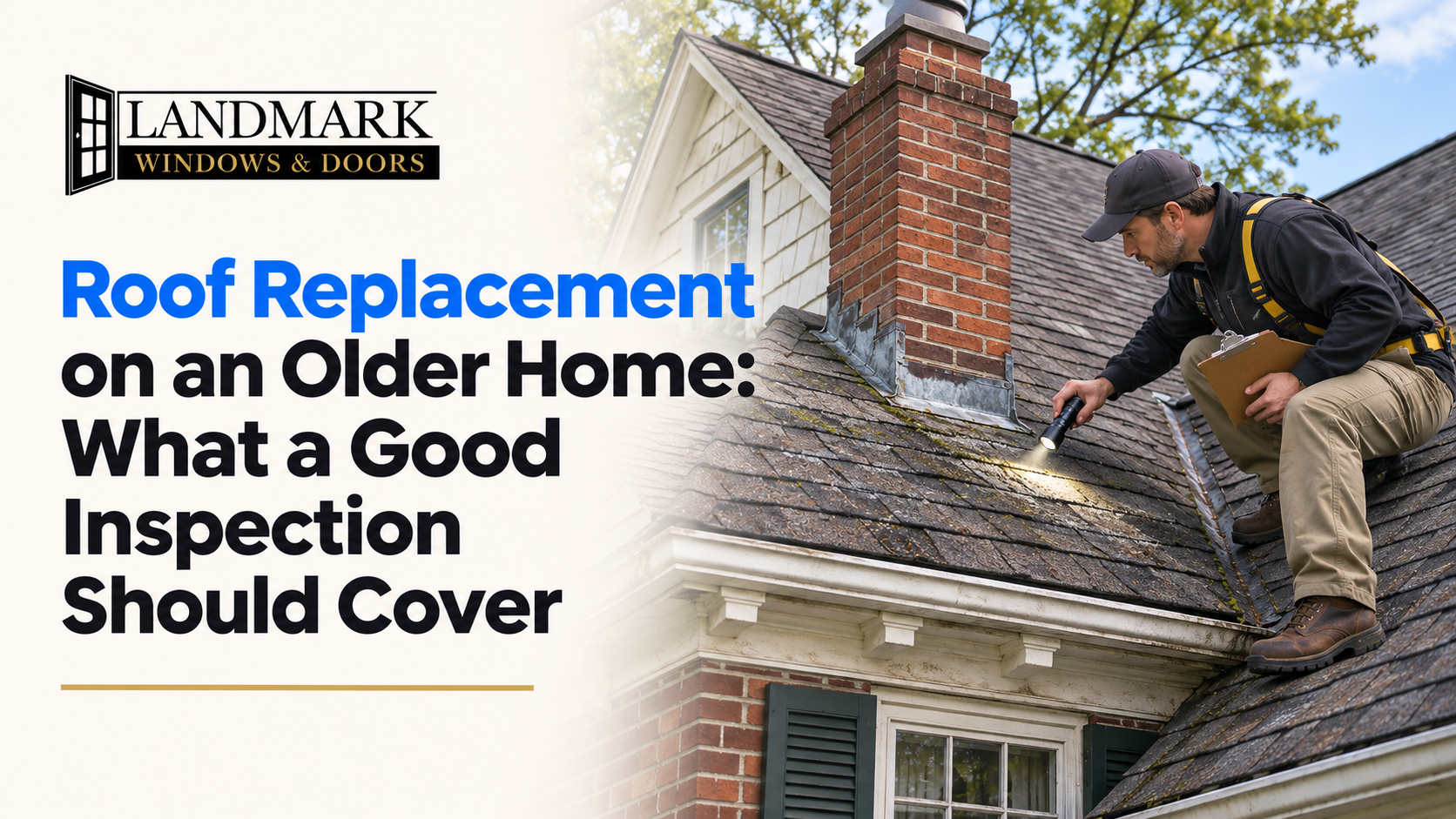
On a newer roof, the condition underneath is more predictable. In an older home, you may not know what the roof deck looks like, how many layers are on top of it or what repairs were done over the years. Patches from earlier owners, mismatched shingles and old flashing are common. A good roofer does not guess at these things. They check.
What a Good Inspection Should Cover
Ask any roofer to walk you through these:
- Decking: the boards or sheets under the shingles should be solid, not soft or damaged
- Existing layers: building codes limit how many layers a roof can carry, and what applies depends on your roof
- Ventilation: poor attic ventilation shortens the life of a roof and affects comfort inside
- Flashing: the metal around chimneys, valleys and roof penetrations is where leaks often start
- Edges: drip edge and the roof edges should be in good shape
Clues You Can Spot From the Ground and the Attic
You do not need to climb a ladder to notice early warning signs. From the yard, look for shingles that are curling, cracked or missing, and for a roof line that sags or dips. Inside the attic, with a flashlight, look for daylight coming through the deck, dark stains on the wood, damp insulation or a musty smell. These do not tell you the whole story, but they give you something specific to point out when a roofer visits.
Why a Full Tear-Off Often Makes Sense
You can only judge the deck properly once the old roofing is off. On an older roof, that is where hidden damage tends to show up. Removing the old roof down to the deck also gives the new roof a clean, flat base. Whether your roof needs a full tear-off is something we confirm at the estimate.
Matching the Roof to the House
The color and profile of a roof change how an older home looks from the street. As a GAF Certified Plus Residential Roofing Contractor, we can walk you through the shingle options and how they suit your home and explains how that protection works.
What Happens If the Deck Is Damaged
On an older roof, it is not unusual to find a few boards that have soaked up moisture over the years. If that happens, those sections should be repaired or replaced before the new roofing goes on, since shingles are only as sound as the surface under them. A good roofer will explain what was found and how it is being handled, so you are not asked to take it on trust.
Repair or Replace?
Not every older roof needs replacing. A single damaged area on an otherwise sound roof may only need a repair. Our guide to the signs your roof needs replacing or just repairing will help you tell the difference, and if you are planning ahead, read the best time of year to replace your roof in Virginia.
Questions to Ask Before You Sign
Whoever you choose, it helps to ask a few things first. Will the old roofing be removed down to the deck? What happens if rotted decking is found, and how is that handled? How will the flashing around chimneys and valleys be done? What is covered by the warranty, and in writing? Clear answers up front make for a smoother project.
Conclusion
The best roof replacement on an older home starts with knowing what is under the shingles. If you would like a second set of eyes, schedule a free estimate and we will inspect the roof with you and explain what we find.